



🔧 What is the Steam Frame?
The Steam Frame is a next-generation VR headset announced by Valve, designed to work both as a standalone headset and as a wireless PCVR streaming device. It’s part of Valve’s new hardware push including the Steam Machine and updated Steam Controller.
In short: it aims to give you the flexibility of untethered VR with the power of PC behind you—if your WiFi is up to the task.
For VR believers (like us at VR GO), this is exciting because it brings the best of both worlds: full Steam library access + untethered freedom.
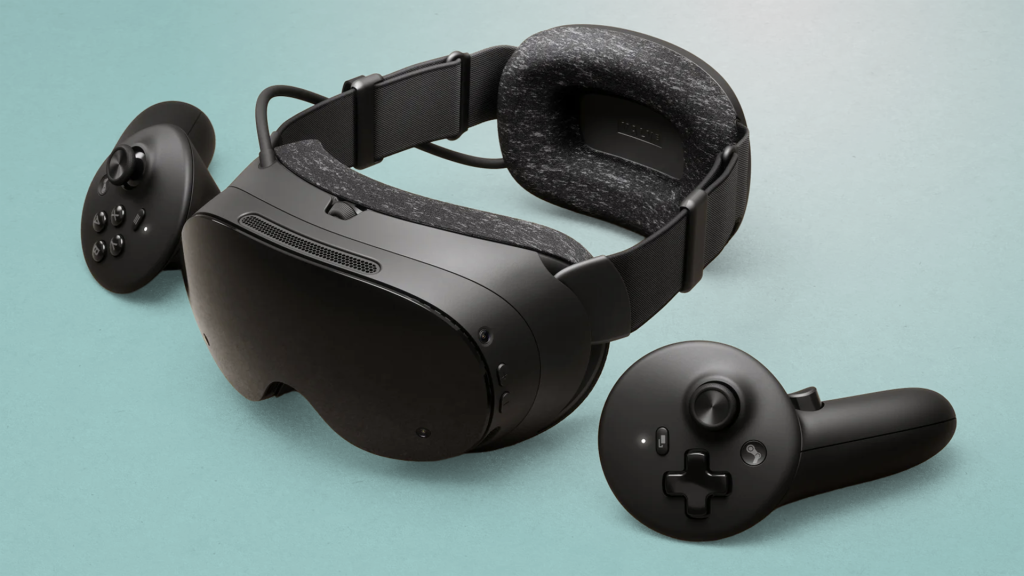
📅 Release Date & Availability
Valve has indicated that the Steam Frame will launch in early 2026, likely in Q1. GameSpot
There is no exact date yet, but if past Valve hardware launches are any indication, pre-orders may open months beforehand and availability will follow in Steam Deck-region markets.
As soon as it’s live you’ll likely see it listed on the official Steam hardware page: Steam Frame on Steam
So mark your calendar (virtually) and keep an eye on announcements.
💰 Price
Valve has not given a final price for Steam Frame. What we do know: it will cost less than the $999 price of the original Valve Index. PC Gamer
Based on industry speculation and previous hardware trends, expect something in the neighborhood of $600-$800 USD (for standalone) or perhaps a bundle higher if accessories included.
If you’re a VR GO reader, that means start budgeting now—because the future of VR might get here sooner (and for less) than you thought.
🚀 Innovations & Expectations
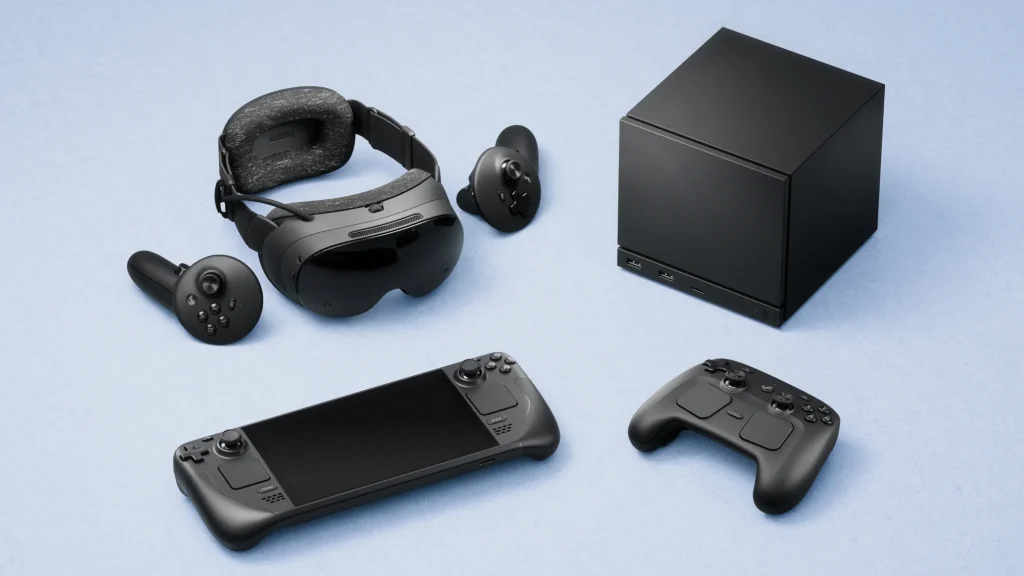
Here are the standout features of the Steam Frame:
- Dual displays at 2160×2160 per eye with pancake lenses and refresh rates up to 120 Hz (144 Hz experimental).
- ARM-based Qualcomm Snapdragon 8 Gen 3 chip + 16GB RAM + storage options of 256 GB/1TB + microSD slot for expandability. Overclockers.ua
- Inside-out tracking (no base stations), with four greyscale cameras and IR illumination for low-light tracking.
- A dedicated wireless PC adapter (6 GHz WiFi) for low-latency streaming of your SteamVR PC games to the headset.
- Compatible with Android/Windows/Linux/SteamOS apps and even Android APKs — bridging mobile, standalone and PC VR ecosystems. dev.ua
- Modular design: battery strap, replaceable components, and a front expansion port for future sensors. UploadVR
What this means for us at VR GO: We’re witnessing a headset that promises to unify PC-level VR performance, wireless freedom, and ecosystem flexibility. If it delivers, it could set a new standard.
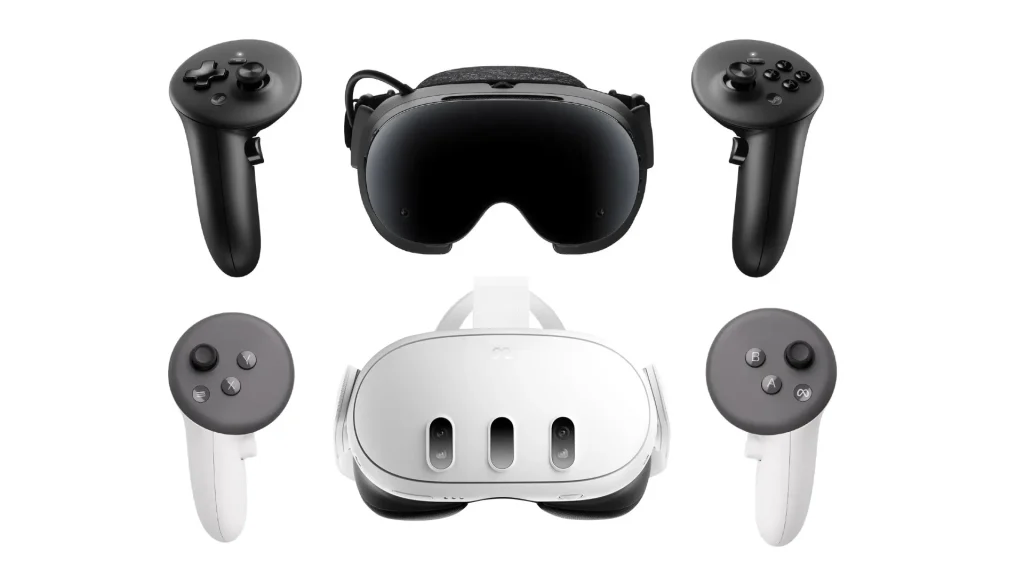
🤜 Comparison With Meta Quest 3
Let’s break down key comparisons in two arenas: PC VR and standalone mode.
PC VR Mode
- Quest 3 is capable of PCVR streaming (via Air Link, Link cable), but Steam Frame is built for it with dedicated adapter and architecture.
- Steam Frame resolution (2160×2160 per eye) vs Quest 3 (2064×2208) — slightly higher in Steam Frame.
- Tracking: Quest 3 has good inside-out; Steam Frame adds IR illuminators and cameras designed for darker spaces.
If you’re a PC-VR fan, Steam Frame seems more “premium PCVR first”.
Standalone Mode
- Quest 3 sells great for standalone VR — massive library, proven ecosystem.
- Steam Frame’s standalone mode is ambitious: native Android/Windows games + large storage + modular support.
- However: Quest 3 currently has far more polished ecosystem, more apps, more polish.
In short: Quest 3 is mature. Steam Frame is promising—but will need time to catch up.
In both modes, VR GO readers should see the Steam Frame as a “next-generation challenger” rather than the daily driver—at least at launch.
📊 Steam Frame vs Meta Quest 3 — Comparison Table
| Feature | Valve Steam Frame | Meta Quest 3 |
|---|---|---|
| Status / Release | Announced — expected Early 2026 | Released October 2023 |
| Price | Not announced yet. Expected to be below the $999 Valve Index | $499 (128GB) / $649 (512GB) |
| Processor / Platform | Snapdragon 8 Gen 3, SteamOS, 16GB RAM | Snapdragon XR2 Gen 2, 8GB RAM |
| Display Resolution | 2160 × 2160 per eye, 72–120Hz (144Hz experimental) | 2064 × 2208 per eye, 72–120Hz |
| Storage | 256GB / 1TB + microSD expansion | 128GB / 512GB, no microSD |
| Weight | ~440g (with strap) | ~515g |
| Tracking | Inside-out with IR illumination (stronger in low-light) | Inside-out tracking |
| PCVR Support | Native PCVR + dedicated 6GHz wireless adapter for low-latency streaming | Air Link / Link cable / Wi-Fi 6E |
| Standalone Mode | Android/Windows/Linux support + APK sideloading | Large standalone ecosystem via Meta Store |
| Ecosystem maturity | New and unproven standalone ecosystem | Very mature standalone ecosystem |
| Target user | PCVR enthusiasts + hybrid users | Mainstream standalone VR users |
🧐 Critical Notes (What to Watch)
- While specs are strong, they are announced, not yet tested at scale. Performance on high-fidelity games remains to be verified. UploadVR
- The chipset is mobile-grade (Snapdragon 8 Gen 3), and while impressive, it won’t match a high-end gaming PC GPU in raw power. Some compromises likely.
- Price is still unknown—could be higher than expected, limiting adoption.
- Ecosystem: Without robust content, even the best hardware struggles. Steam Frame will need developer support, games optimized for its modes.
- For standalone mode, battery, heat, ergonomics will matter. Valve lists 21.6 Wh battery, weight ~440g.
- Initially, streaming PC games relies on your home network and adapter performance—so your mileage may vary.
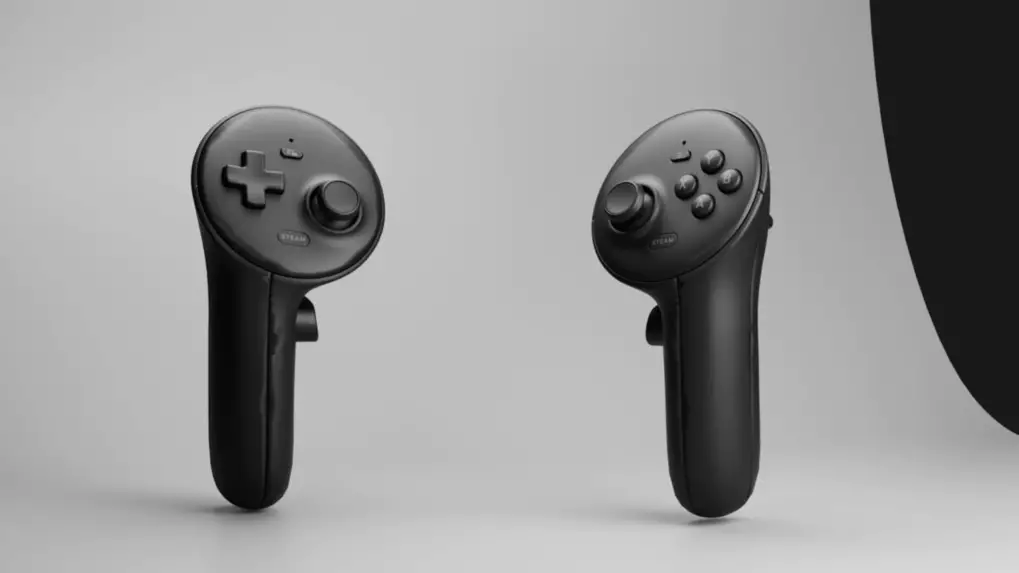
🌟 Significance for VR & the Community
Why does the Steam Frame matter? For VR GO and the broader VR community, this headset could mark a pivotal shift:
- It shows Valve still believes in VR and is moving past tethered cables and base-stations into wireless freedom.
- It reinforces the idea that VR can be mainstream: PC gamers, standalone users, Android/Windows cross-play—all in one device.
- For developers: ability to port Android/Quest games to Steam (and Valve ready to accept APKs) opens ecosystem growth. dev.ua
- For users: One device may cover all modes (standalone + PCVR) rather than choosing one or the other.
- For VR advocacy (our mission at VR GO): This kind of innovation helps shift the narrative from niche to universal. More people buying, more studios developing, more content created—and that benefits everyone.
If Steam Frame succeeds, we may see a surge in VR development, bigger games, better experiences—and the kind of content that makes headlines. And we’ll be ready to cover it: check our VR Tech & Hardware and VR Game Reviews for updates.
VRGO