



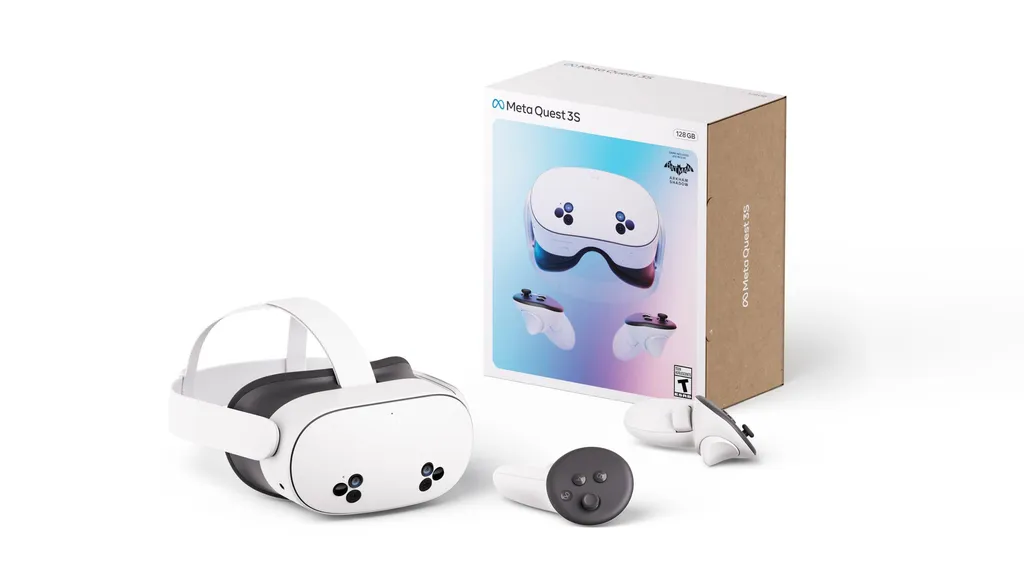
In Q3 2025, Meta Reality Labs reported revenue of $470 million, representing a 74% year-over-year increase from $270 million in Q3 2024. According to Meta, a key factor behind this surge is retailers stocking up on the Meta Quest 3 (and related headsets) ahead of the holiday shopping season.
What’s Driving the Growth?
Meta CFO Susan Li pointed out that much of the revenue bump stems from retailers “pre-buying” Quest units for the holiday season. Retailers aimed to avoid stockouts by acquiring inventory ahead of time, leading to this one-time surge in Q3. Additionally, Meta noted strong growth in its AI-glasses business (such as those produced in partnership with Ray‑Ban), which also contributed to the revenue boost.
Yet, Meta also cautioned that this “pull-forward” effect means Q4 revenue for Reality Labs may decline year-over-year, since some holiday demand has already been recognized in Q3, reported by the investor.atmeta.com+1.
Big Gains, Big Losses
While revenue is up, Reality Labs remains deeply unprofitable. For Q3 the division recorded an operating loss of more than $4.4 billion, driven by heavy R&D and hardware-investment spending, informs UploadVR+1 The high cost underscores how Meta is positioning Reality Labs not just as a current hardware business, but as a long-term bet on immersive computing, VR/AR and the broader spatial-computing ecosystem.
Strategic Implications
- The 74% revenue growth shows there is still strong retailer and consumer interest in VR hardware as part of the holiday shopping cycle — a positive sign for the standalone headset category.
- However, the reliance on retailer stocking suggests the bump may be timing-driven rather than purely organic consumer demand growth.
- Meta’s commentary about Q4 hints at potential headwinds ahead, including challenges in sustaining growth once front-loaded sales are factored out.
- The investment gap remains large: growing revenue is important, but Meta must eventually convert that interest into consistent profitability in its hardware and mixed-reality business.
What This Means for the VR Market
For consumers, the surge could mean better availability (and perhaps promotions) of Quest headsets during holiday shopping — especially as retailers stock up. For competitors, the figures highlight Meta’s deep commitment and scale in VR/AR hardware.
For developers and ecosystem partners, the growth in Reality Labs revenue — even if partly driven by stocking — signals continued investment by Meta in VR platforms, which may translate into more hardware iterations, content investment, and ecosystem resources.

Final Thoughts
Meta Reality Labs’ Q3 results are a mixed bag: the headline 74% revenue growth is impressive, but when set against multibillion-dollar losses and a potential revenue dip in Q4, it underlines that the immersive-hardware business remains a high-risk, long-horizon play. The stocking boost ahead of holidays is helpful, but the next step will be turning hardware momentum into repeatable consumer demand and moving toward a sustainable business model.
For now, Meta’s strategy remains focused on scaling hardware, expanding its content/services ecosystem, and expecting that the heavy investments today will pay off in the longer term.
As Takeaway:
Even amid losses, a 74% jump in revenue in one quarter is notable. If you’re tracking VR/AR trends, this is a signal that Meta still views this market as strategic. Whether the growth can be sustained beyond seasonal stocking remains the key question.