


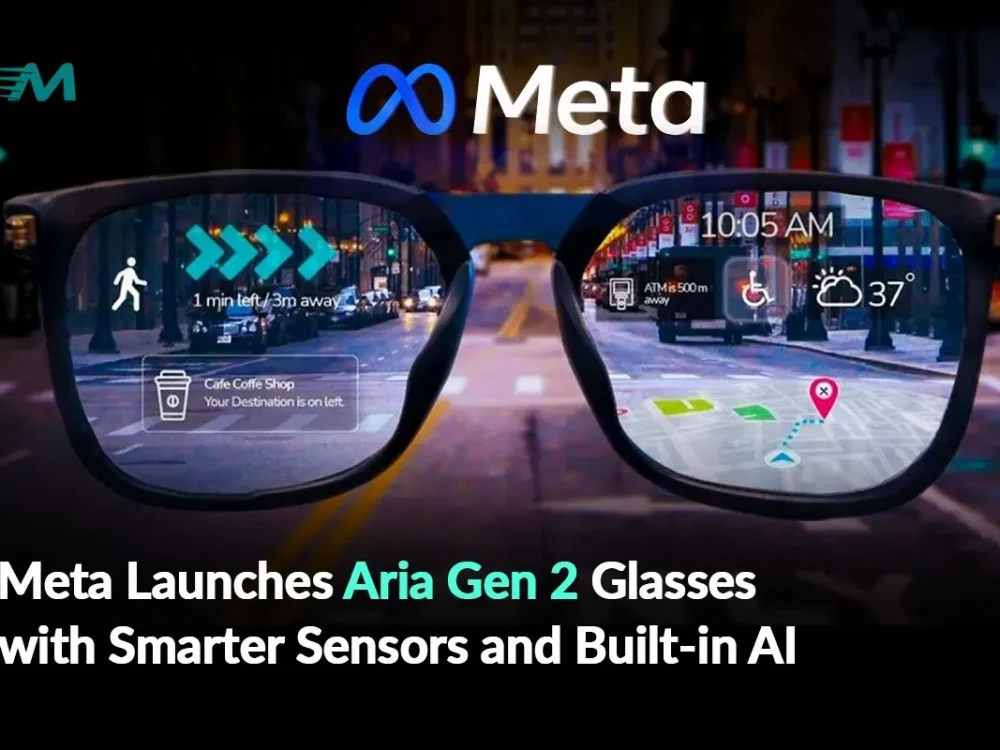
Meta has announced that it will deliver the second generation of its experimental AR research wearable, Project Aria Gen 2, to qualified research institutions in mid-2026. The device will help scientists and engineers explore spatial computing, AI-driven perception, and human–environment interaction — all crucial steps toward the company’s long-term goal of developing consumer-ready AR glasses.
What Is Project Aria Gen 2?
Originally launched in 2020, Project Aria is a wearable research platform designed to collect real-world sensor data — from visual mapping to motion tracking. Unlike Meta’s Quest 3 VR headset, it has no display; instead, it serves as a mobile sensor lab for AR and AI development.
(🔗 Meta Research: Project Aria overview)
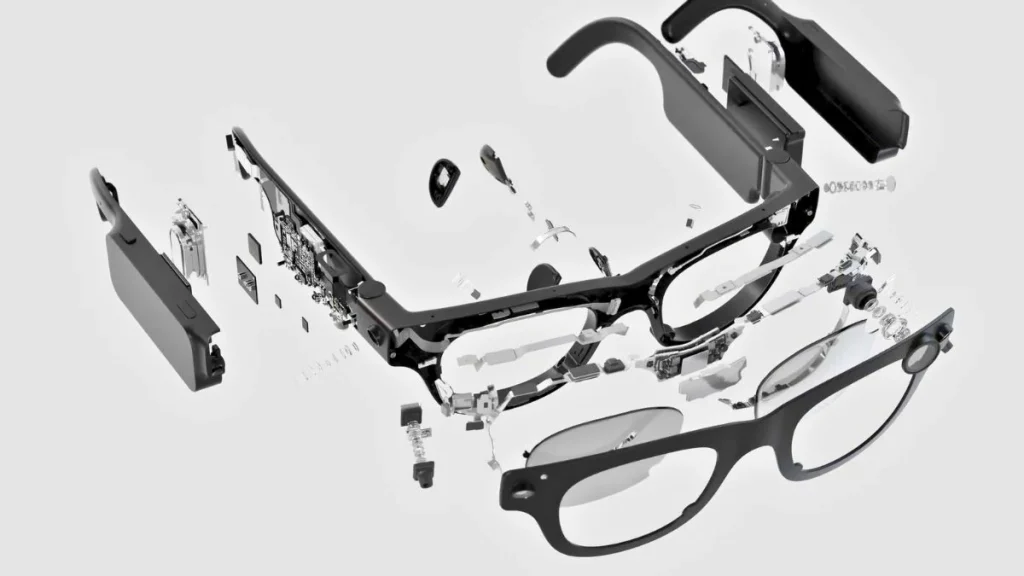
The new Gen 2 model adds:
- Improved spatial and object recognition sensors.
- More powerful on-device processing for real-time analysis.
- A lighter, more ergonomic frame for daily wear.
- Extended battery life for long-term field studies.
These upgrades make the device a more capable tool for mapping, AI vision, and ambient computing experiments.
Why It Matters
By opening Project Aria Gen 2 to external researchers, Meta is expanding beyond its internal R&D teams. This move will give universities, AI labs, and industry partners access to cutting-edge spatial sensing hardware, accelerating innovation across the AR ecosystem.
For the broader tech landscape, this could drive breakthroughs in:
- Scene understanding and 3D environment mapping.
- Context-aware AI, enabling devices to perceive and interpret surroundings.
- Human-computer interaction, supporting natural gestures and spatial input.
This collaborative approach echoes the open research strategies used by institutions like MIT Media Lab and Stanford’s Virtual Human Interaction Lab, where academic partnerships often lead to commercial breakthroughs.

Limitations and Outlook
The Gen 2 platform is not a consumer product and will only be available through Meta’s research partnership program. As such, its value depends on how effectively external teams can leverage it for real-world data collection and AI development.
Still, this is a key strategic move: as Apple, Google, and smaller XR companies push forward with their own AR glasses, Meta is ensuring it stays at the forefront of sensor-driven augmented reality.
Shipments are expected to begin in Q2 2026, with accompanying datasets and whitepapers to be released for public study.
(📗 Official Meta announcement)
Final Thoughts
Project Aria Gen 2 represents Meta’s vision of an AR-first future, where technology doesn’t just display data — it truly understands the physical world around us. By empowering global research groups, Meta is laying the groundwork for the day when AR glasses move from prototype labs into everyday life.