


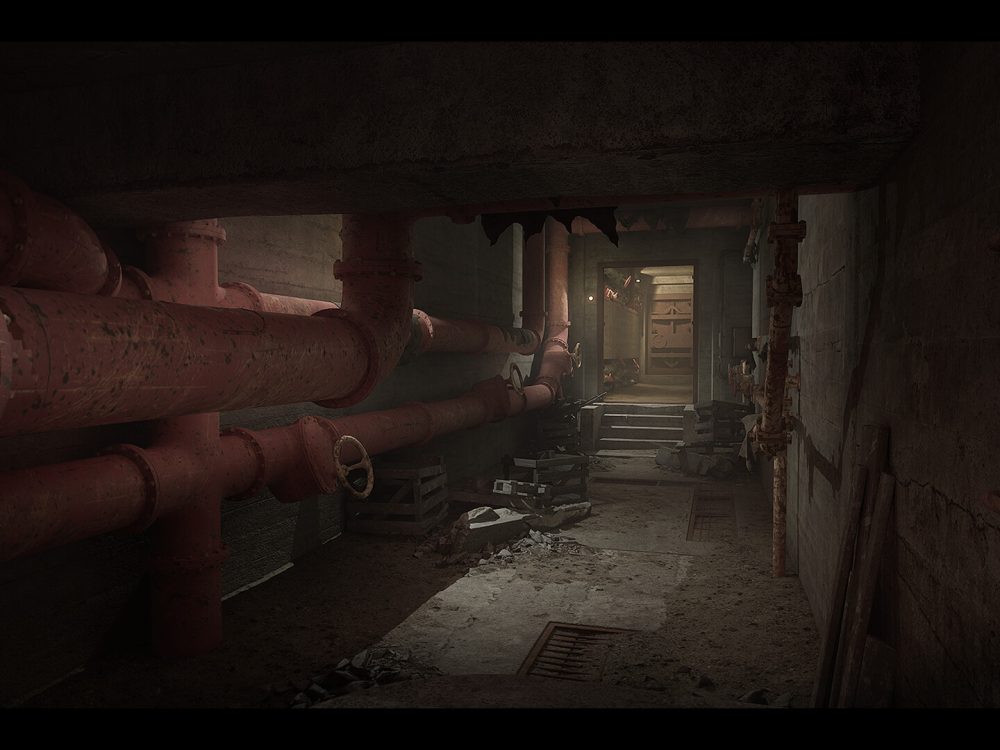
🎮 The Riese Project Review — A Promising VR Mystery Worth Exploring
Available now on Steam for PC and PC-VR (including Meta Quest headsets via PC Link and SteamVR support), The Riese Project offers an atmospheric adventure where narrative, puzzles, and exploration take center stage. While there’s no official announcement yet of native Quest, PlayStation VR2, or standalone headset ports, the game shines as a PCVR experience for high-end rig.Steam Store
This title blends rich storytelling with physical exploration and interactive environments, and its Early Access version (released November 30, 2025) invites players to help shape the full game’s future. Steam Store
🧠 Narrative Immersion That Draws You In
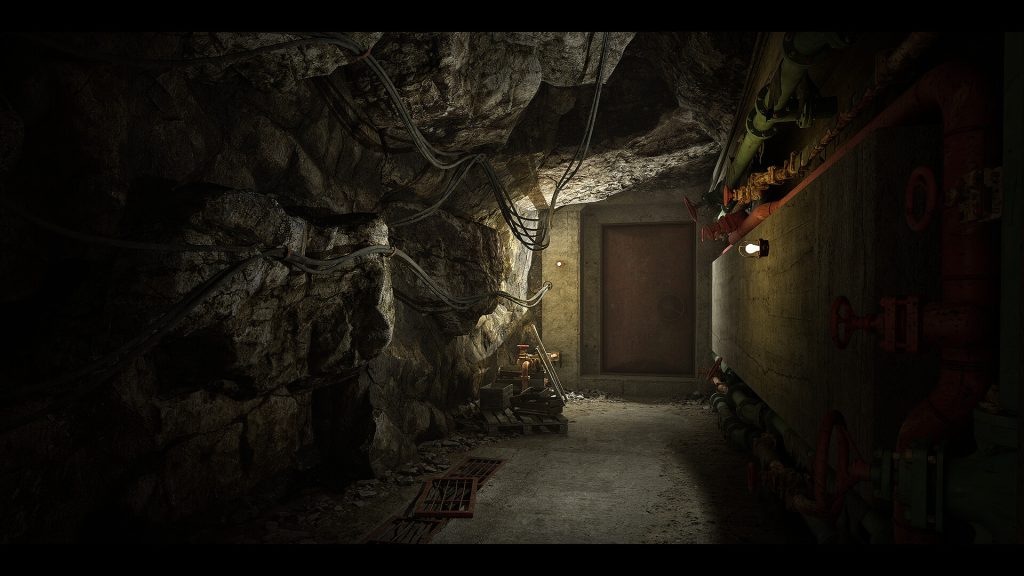
From the moment you step into the abandoned complexes inspired by the real Project Riese, it’s clear this isn’t just another VR hallway simulator. Players have praised the way the world feels alive — not because ghosts jump out, but because the environments tell stories through objects, sounds, and subtle clues. While some VR titles rely on loud scares or “caught you off guard” moments, The Riese Project anchors its tension in quiet unease and genuine curiosity, similar to what you might find in a narrative masterpiece like Firewatch or What Remains of Edith Finch — but with a VR twist. Steam Store
This immersive storytelling approach is exactly the kind of innovation VR advocates love — it turns a headset into a portal, not just a toy. If you’re exploring how VR is reshaping narrative experiences, check out VRGO’s deep dive into immersive storytelling on vrgo.site to see how storytellers are transforming the medium one experience at a time.
🎨 Next-Level Graphics and Unreal Engine 5 Magic
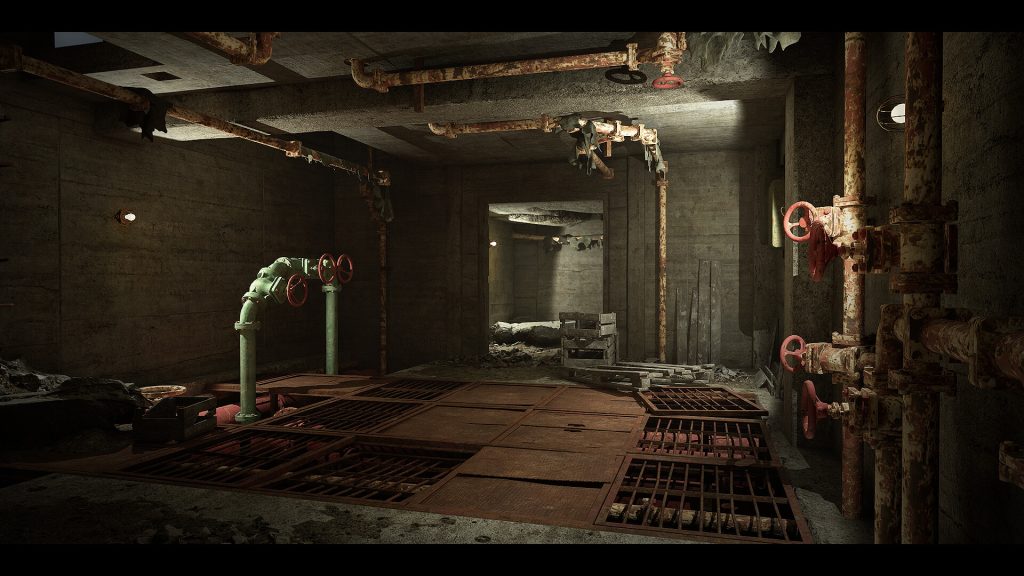
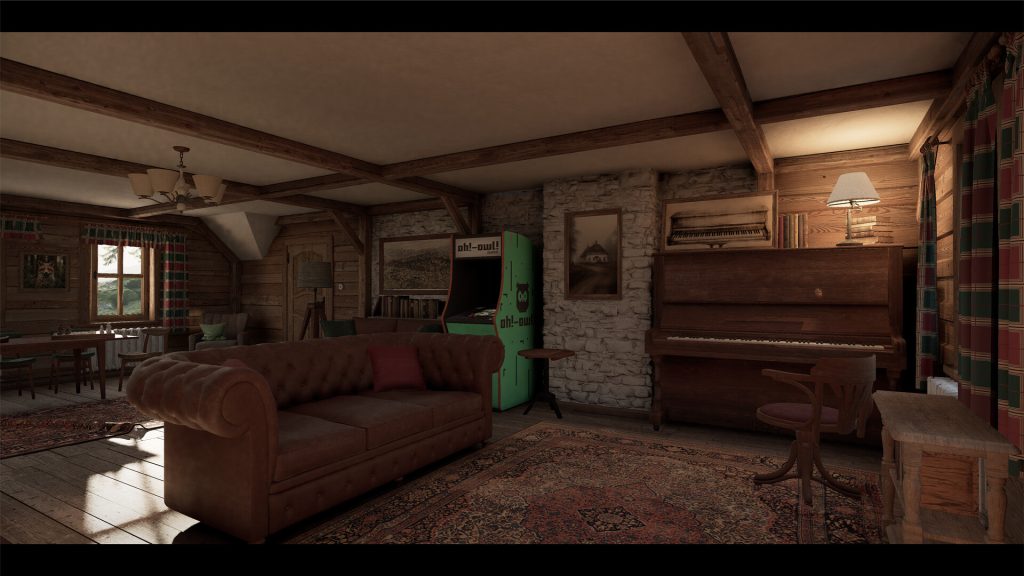
One of the most talked-about aspects among early players is how The Riese Project pushes visuals in VR using Unreal Engine 5 with Lumen and Nanite. These technologies — still cutting-edge even in traditional gaming — help create photorealistic textures, dynamic lighting, and environments that feel solid instead of flat. Reddit
Some players have mentioned performance challenges on lower-end rigs, a common growing pain when combining high fidelity graphics with VR’s demanding frame-rates — but fans argue this reflects the game’s ambition. After all, innovation isn’t about playing it safe. And while optimization is an ongoing conversation among community members, many agree that pushing boundaries like this is part of VR’s evolution.
For a better sense of how compelling visuals can amplify player engagement, you might enjoy our feature on the evolution of VR graphics at vrgo.site — because when the world around you feels real, every mystery feels more urgent.
🤝 Community Feedback — Early Access, Big Hopes
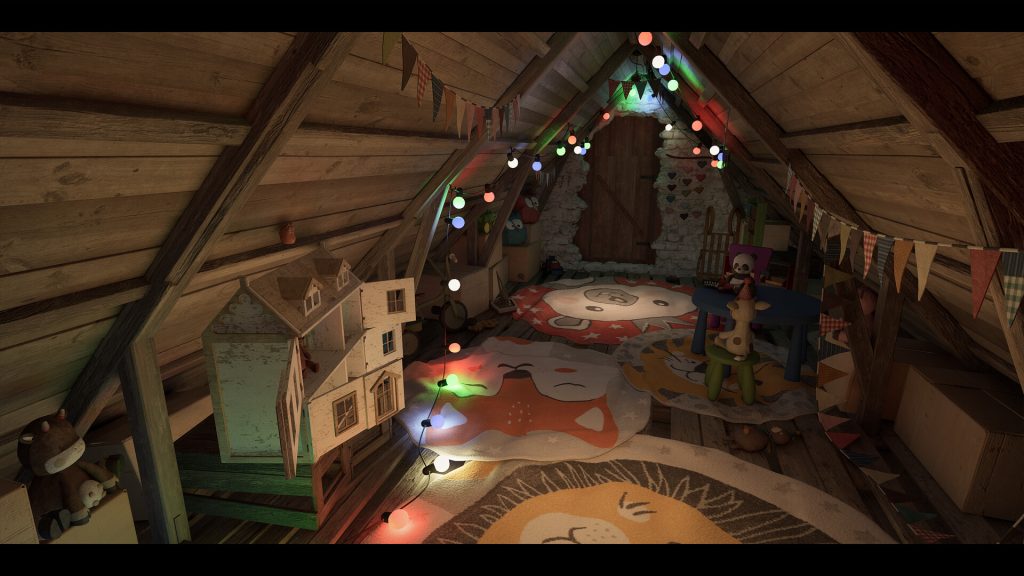
What makes The Riese Project particularly fascinating is how players and developers are working together. Early Access means you’re not just buying a game — you’re joining its creation. Players have already shared feedback on puzzle pacing, environmental details, and even visual fidelity in Steam discussions. Steam Store
Most early impressions lean positive. Many describe the experience as “a must-play for PCVR enthusiasts,” noting that while it’s an evolving title, it already offers hours of engagement with compelling puzzles and atmospheric tension. Steam Community It’s a testament to the power of community-driven development — something we often highlight at VRGO, especially in contexts like user-influenced VR design and iteration.
🔮 Why The Riese Project Matters for VR
There’s a real sense of optimism around The Riese Project because it represents a VR experience that isn’t just an interactive demo or a wave shooter — it’s a narrative adventure that uses VR’s strengths to tell a story only achievable in immersive spaces.
Sure, it’s early days. Not every puzzle is perfect, and some players have mentioned areas where refinement is needed. But isn’t that what Early Access is for? It’s the VR equivalent of collaborative storytelling, where developers and players write the next chapters together. And that’s exciting.
At VRGO, we believe VR’s future lies in bold experiments like this — experiences that make you feel like you’re in a world, not just watching it. From narrative innovation to community collaboration, The Riese Project is one of those early signals that VR storytelling is ready to go mainstream.
Whether you’re a VR veteran or still exploring whether a headset is right for you, this is one journey worth taking — especially now, when your feedback still has a direct impact on the final vision.
VRGO