


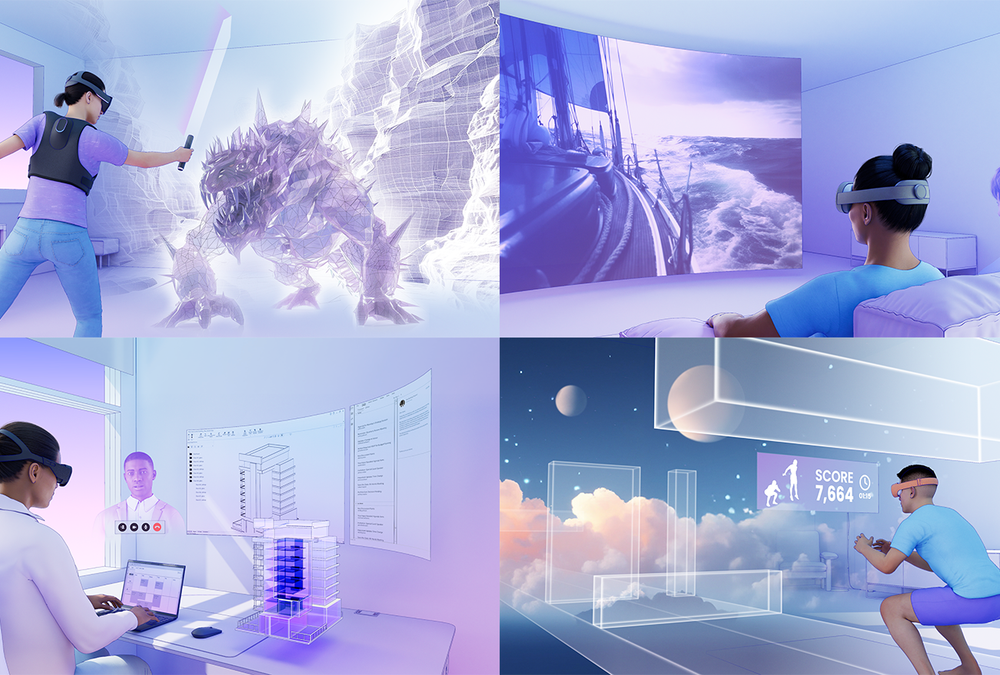
In a move that surprised even seasoned VR fans, Meta recently announced that it’s pressing pause on its third-party Horizon OS headset program — a plan that once promised a blossoming ecosystem of headsets from manufacturers like Asus ROG and Lenovo running Meta’s VR operating system. This decision doesn’t signal a VR apocalypse — far from it — but it does mark a strategic shift that will ripple through the virtual reality world.
At a glance, this feels like one of those plot twists where the villain suddenly becomes the hero (or at least thinks it does). Meta says it paused the program “to focus on building the world-class first-party hardware and software needed to advance the VR market”, and they’ve pledged to revisit third-party partnerships down the line, informs PC Gamer.
Still Alive and Kicking: Why This Isn’t Doom for VR
Yes, the pause means that previously teased headsets — such as the rumored Asus ROG gaming headset and productivity-focused Lenovo models — are no longer moving forward as planned. That’s disappointing for early adopters, developers eager to innovate, and fans who were looking forward to more choice in high-end standalone VR hardware. But before you start stockpiling nostalgia for the lost headsets, remember there’s more to this story.
Meta isn’t shuttering VR. In fact, Reality Labs — the division behind Meta Quest headsets and the broader XR ecosystem — continues building future devices and software, investing where it feels the payoff will be highest. This laser focus means the next generation of standalone VR might be more polished and powerful than anything we’ve seen before. And that’s something worth getting excited about.

A Chance for Platform Diversity — and Why That Matters
One of the biggest challenges in the VR space has always been platform fragmentation — or, ironically, a lack of viable competing ecosystems. Open platforms like Android XR and SteamOS for VR are gaining traction precisely because they offer options and flexibility that benefit users and developers alike. TechRadar
So, while Meta retools and refines its internal roadmap, this moment could be a spark for broader VR innovation:
- Alternative OS ecosystems get a bigger spotlight
- Developers gain confidence that their apps can reach multiple platforms
- Users eventually benefit from real choice in hardware and software
At VRGO we’ve long championed VR’s growth — not just in gaming, but in productivity, education, social interaction, and beyond. Want to explore how VR ecosystems shape developer opportunities? Check out our deep dive into VR platform dynamics on vrgo.site where we examine everything from hardware roadmaps to cross-platform strategy.
The Long View: VR Growth Still Has Momentum
Meta’s decision isn’t a retreat — it’s a strategic regroup. The company is doubling down on world-class, first-party experiences, which often leads to higher quality and more consistent standards. That’s good news for anyone who’s ever struggled with buggy hardware or half-baked VR features.
Plus, there’s plenty of optimism in the wider VR landscape. Startups innovating in haptics, spatial computing, and mixed reality experiences are drawing investment and interest like bees to a honeycomb. Trends point toward broader VR adoption not just in gaming, but in remote collaboration, training, and creative expression — sectors we at VRGO are especially excited about. Explore our feature on immersive collaboration in VR to see how this technology is redefining remote work.
Remember — the road to the future isn’t always a straight line, but every pivot brings fresh possibilities.
VRGO